Welding Tools and Equipment: Complete Beginner’s Guide (2026)
If you want to start welding safely and effectively, understanding the right welding tools and equipment is the first step. Whether you’re a beginner or setting up a small workshop, having the correct tools improves weld quality, safety, and overall efficiency.
This guide covers a complete welding equipment list for beginners, including essential tools, safety gear, and workshop setup—based on real workshop experience.
What Tools Do You Need to Start Welding?
To start welding, you need basic tools such as a welding machine, electrode holder, ground clamp, welding cables, safety gear (helmet, gloves), and consumables like electrodes or welding wire.
What Are Welding Tools and Equipment?
Welding tools and equipment include all devices used to join metals, prepare surfaces, and ensure safety during welding operations.
They are generally divided into five main categories:
Welding machines
Welding consumables
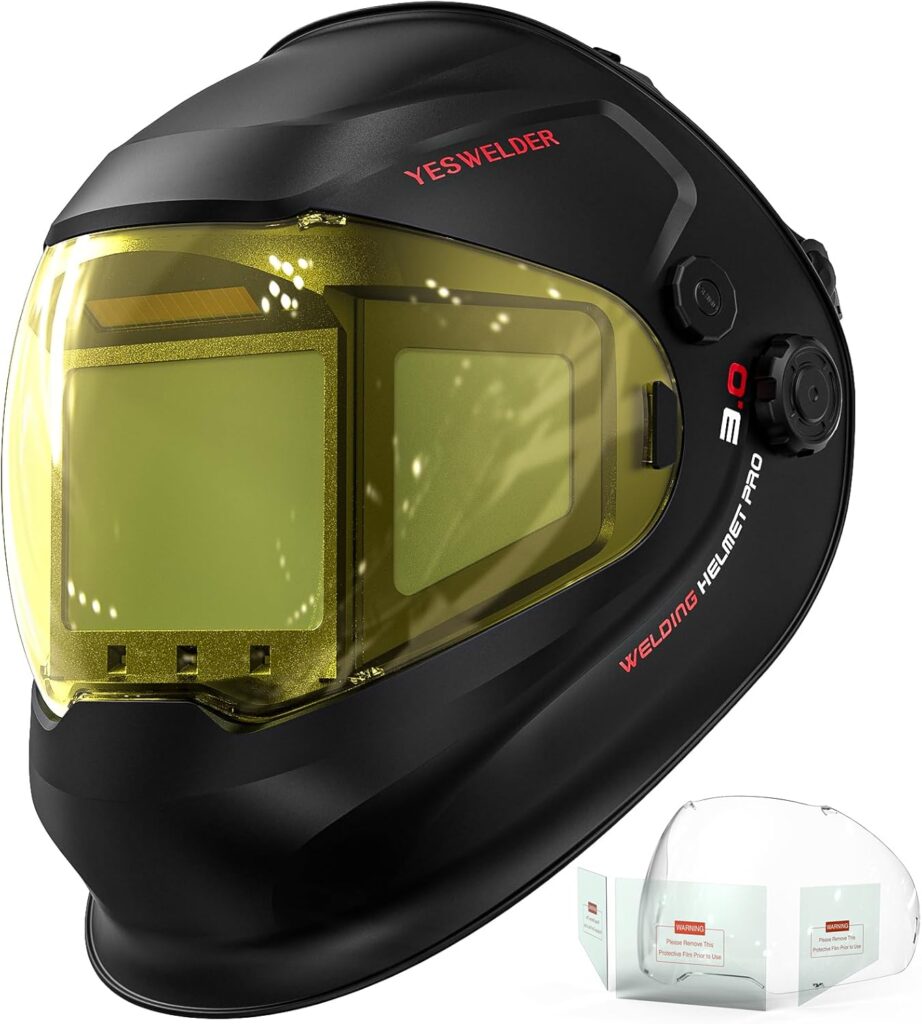
Safety equipment
Supporting tools
Workshop setup tools
Disclosure: As an Amazon Associate, I earn from qualifying purchases. If you buy through links on this page, I may earn a small commission at no extra cost to you. I only recommend products I believe provide value to welders and beginners.
Essential Welding Tools for Beginners
If you’re just starting, focus on these basic welding tools for beginners before buying advanced equipment.
1. Welding Machine (Power Source)
The welding machine is the heart of your setup. For beginners, the most common types include:
Each has its own learning curve, but stick welding is often the easiest and most affordable to start with.
2. Electrode Holder
This tool holds the electrode securely and conducts current to create the arc. A good electrode holder should:
Be heat-resistant
Provide strong grip
Ensure proper insulation
3. Ground Clamp
The ground clamp completes the electrical circuit. Poor grounding can lead to:
Weak arc
Spatter
Poor weld quality
Always ensure a clean metal-to-metal connection.
4. Welding Cables
Welding cables connect the machine to the electrode holder and ground clamp. Choose cables that:
Are flexible for easy movement
Can handle high current
Have durable insulation
Welding Consumables (Materials Used in Welding)
Welding consumables are materials that are used up during the welding process. These play a critical role in determining weld strength, appearance, and overall quality.
For beginners, understanding consumables is just as important as selecting the right tools.
1. Welding Electrodes (Stick Welding)
Electrodes are the most common consumable used in stick welding (SMAW). They act as both:
Filler material
Current conductor
Common Types of Electrodes:
E6013 – Best for beginners (easy arc, smooth finish)
E6011 – Good for dirty or rusty metal
E7018 – High-strength welds (used in structural work)
Choosing the right electrode depends on:
Material type
Welding position
Required strength
2. Filler Rods and Wires
Used in MIG and TIG welding, filler materials help join metals effectively.
MIG Wire (GMAW) – Continuously fed wire for faster welding
TIG Filler Rods (GTAW) – Manually added for precision welding
These are available in different materials like:
Mild steel
Stainless steel
Aluminum
3. Shielding Gas
Shielding gas protects the weld pool from contamination caused by air.
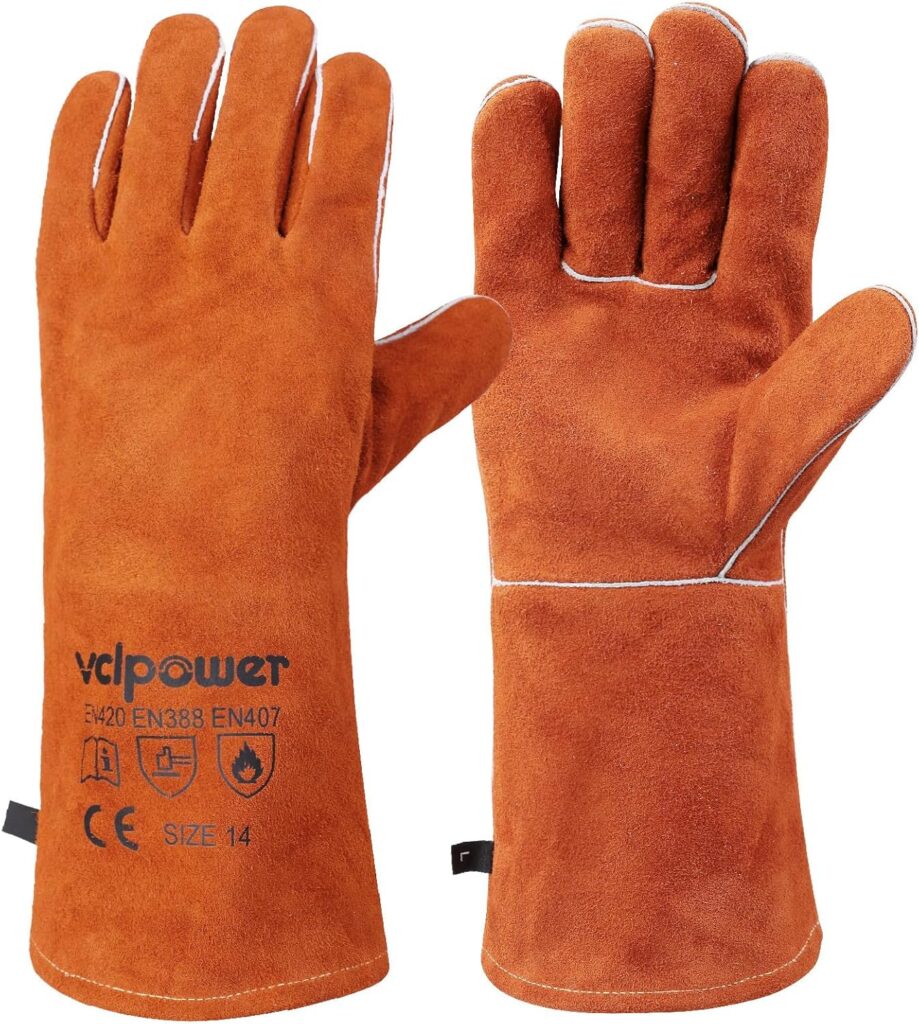
Protecting your hands is just as important as choosing the right welder. These 14-inch fire-resistant leather welding gloves provide excellent heat and spark protection for MIG, TIG, Stick, and Flux-Core welding—making them a smart addition to any beginner’s welding kit.
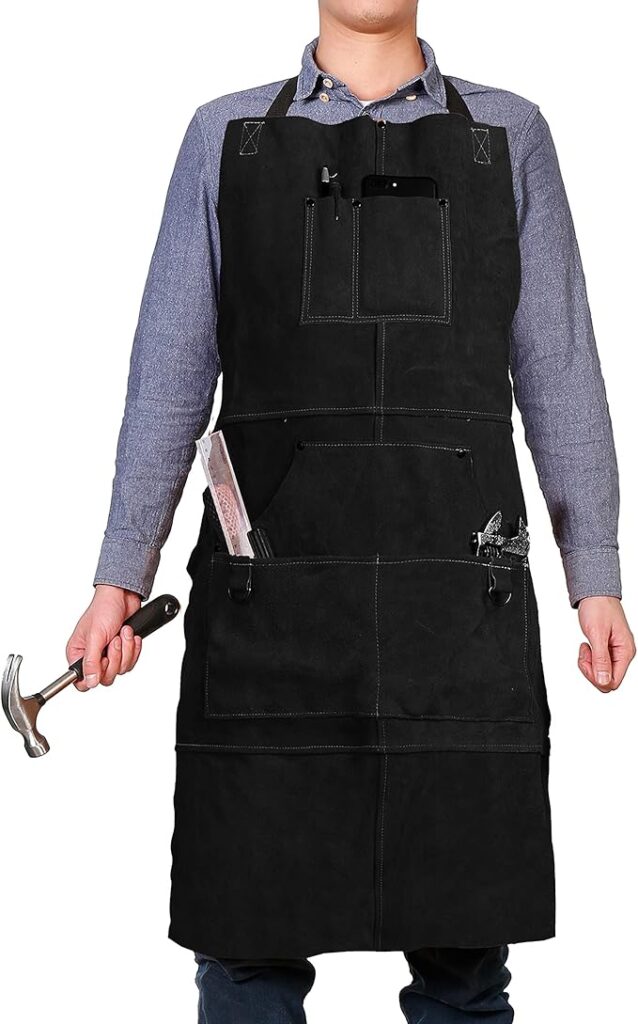
Protect yourself from sparks, spatter, and hot metal while keeping your tools close at hand. This heavy-duty leather welding apron offers durable protection and six convenient pockets, making it a practical addition to any beginner’s or professional welder’s workshop.
Beginners should start with simple, easy-to-use tools.
2. Type of Welding
Stick welding is best for:
Outdoor work
Thick materials
3. Budget
Start with essential tools and upgrade later.
4. Safety First
Never skip safety equipment to save money.
Common Mistakes Beginners Make
Avoid these errors:
Buying expensive tools without basic knowledge
Ignoring safety equipment
Using poor-quality cables and clamps
Not preparing the metal surface properly
Final Thoughts
Setting up the right welding tools and equipment is the foundation of becoming a skilled welder. Start simple, focus on safety, and gradually upgrade your tools as your skills improve.
If you’re serious about learning welding step by step, make sure you choose the right machine from the beginning—it makes a huge difference in your progress.
Frequently Asked Questions (FAQs)
What is the most important tool in welding?
The welding machine is the most important tool because it provides the power required to create the arc and join metals.
Which welding method is best for beginners?
Stick welding (SMAW) is best for beginners because it is simple, affordable, and works well in outdoor conditions.
What consumables are used in welding?
Common welding consumables include electrodes, welding wire, filler rods, shielding gases, and flux.
Do beginners need expensive welding tools?
No, beginners should start with basic tools and upgrade as their skills improve.
Final Thoughts
Setting up the right welding tools and equipment is the foundation of becoming a skilled welder. Start simple, focus on safety, and upgrade gradually as your experience grows.