
If you want to know how to start welding at home, the process is simple: choose a beginner-friendly welding method like MIG or Stick, set up a safe workspace, get essential safety gear, and practice on scrap metal.
This complete beginner guide will walk you through everything step-by-step so you can safely start welding at home with confidence.
Table of Contents
What is Welding and Why It Matters for Beginners at Home
Welding is a metalworking process used to join two or more pieces of metal by applying heat, and sometimes pressure, to create a strong and permanent bond. For anyone learning how to start welding at home, understanding this basic concept is the first step toward building real skills.
Unlike soldering or brazing, welding melts the base metal itself, which makes the joint much stronger and more durable. This is why welding is widely used in DIY welding projects, home repairs, and fabrication work.
For those interested in welding for beginners at home, welding matters because it allows you to:
- Repair broken metal tools and equipment
- Build custom frames, racks, and structures
- Start small home-based fabrication projects
- Develop a valuable hands-on skill
Learning what welding is also helps you choose the right tools, understand home welding safety, and confidently move forward in your journey of how to weld at home safely.
How to Start Welding at Home Step-by-Step (Beginner Guide)
1. Choose the Right Welding Process for Home Welders
This is the #1 confusion for beginners.
Here’s what works best:
- Stick Welding (SMAW)
- Cheaper
- Works outdoors
- Good for thick or rusty metal
- MIG Welding (Best for beginners)
- Easy to learn
- Clean welds
- Perfect for indoor use
- TIG Welding
- Advanced level
- High precision work
👉 Beginners should start with Stick or MIG welding because they are easier to learn for beginners and widely used.
If you’re still unsure how to start welding at home and which method to choose, don’t guess—read our complete guide on welding process selection to find the best option for beginners Read More
2. How to Set Up a Safe Welding Space at Home
Your workspace matters more than your machine.
You can weld in:
- Garage
- Shed
- Outdoor covered area
Important requirements:
- Proper ventilation (removes toxic fumes)
- Fire-safe area (no oil, paper, or flammable items)
- Flat working surface
Good ventilation prevents harmful gases and keeps your workspace safe.
3. Essential Welding Equipment for Beginners at Home
Here’s your basic beginner setup:
Core Equipment:
- Welding machine (MIG or Stick)
- Welding helmet (auto-darkening recommended)
- Welding gloves
- Flame-resistant clothing
Supporting Tools:
- Angle grinder
- Clamps or magnets
- Wire brush
- Measuring tools
These tools help in cleaning, positioning, and finishing welds effectively.
4. Learn Basic Welding Setup
Before striking your first arc:
- Read your machine manual
- Set correct voltage and wire speed
- Attach ground clamp properly
- Use clean metal surface
Proper setup ensures strong and clean welds.
5. How to Practice Welding at Home (Beginner Tips)
This is where real learning happens.
Begin with:
- Straight weld beads
- Tack welds
- Simple joints
Practice improves:
- Hand control
- Travel speed
- Arc stability
👉 Experts recommend practicing repeatedly before starting real projects
If you want to learn how to start welding at home using a budget-friendly method, check out our complete step-by-step guide on how to stick weld and start practicing with confidence.How to Stick Weld for Beginners Guide
How to start welding at home beginner welding projects
When learning how to start welding at home, the best way to build skill and confidence is through structured beginner welding projects that focus on practice and simple fabrication tasks.
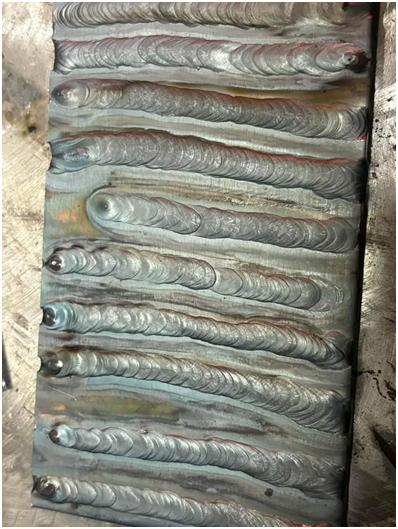
1. Bead Making Practice (First Step for Beginners)
Start with bead making practice on scrap metal. This helps you understand arc control, travel speed, and weld consistency. Practice straight beads in different directions until you can produce smooth and even welds. This is the foundation of all welding skills when starting welding at home.
2. Joint Making Practice (Skill Development Stage)
Once you are comfortable with beads, move to joint making practice. Work on basic weld joints such as lap joints, T-joints, and corner joints using scrap metal pieces. This step teaches you how metal behaves when joined at different angles and improves your control in real welding situations.
3. Beginner Simple Welding Projects (Real Application)
After practice, start small beginner welding projects at home, such as:
- Metal brackets for shelves
- Simple square or rectangular frames
- Garden tool repairs
- Basic storage racks
- Small welding table practice builds
These projects help you apply what you learned and gradually improve your fabrication skills.
By following bead practice, joint practice, and simple beginner projects, you can safely and effectively progress in how to start welding at home and build real-world welding confidence.
Home welding can also become a side income if you improve your skills.
Welding Safety Tips for Beginners at Home
Never ignore safety. Welding involves heat, sparks, and fumes.
✔ Always wear PPE (helmet, gloves, jacket)
✔ Avoid welding near flammable materials
✔ Keep fire extinguisher nearby
✔ Work in ventilated space
✔ Never weld on dirty or oily metal
👉 “Bad welds can be fixed, your body cannot” — common advice from welders
Before you begin welding at home, make safety your top priority—review this complete welding safety guide to understand proper protection, ventilation, and safe working practices Read More
Common Beginner Mistakes and How to Avoid These
When learning how to start welding at home, most beginners make similar mistakes that slow progress and lead to poor weld quality. Understanding these early will help you improve faster and weld more safely.
1. Ignoring Safety Equipment
One of the biggest mistakes is skipping proper PPE. Beginners often underestimate risks.
How to avoid it: Always wear a welding helmet, gloves, flame-resistant clothing, and work in a ventilated area as part of proper home welding safety.
2. Welding on Dirty or Rusty Metal
Oil, paint, and rust can weaken welds and create porosity.
How to avoid it: Clean the metal properly using a wire brush or grinder before starting any weld.
3. Incorrect Machine Settings
Wrong voltage or wire speed leads to weak or messy welds.
How to avoid it: Learn basic machine setup and adjust settings based on material thickness when practicing how to weld at home safely.
4. Poor Hand Control and Speed
Moving too fast or too slow creates uneven weld beads.
How to avoid it: Practice bead making on scrap metal until you develop steady hand movement and consistent travel speed.
5. Skipping Practice and Jumping to Projects
Many beginners rush into projects without basics.
How to avoid it: Start with bead practice, then joint practice, before moving to real beginner welding projects at home.
By avoiding these common mistakes, you can improve faster, weld more safely, and confidently progress in how to start welding at home.
How Much Does It Cost to Start Welding at Home?
Typical beginner budget:
- Basic welder: $150 – $500
- Safety gear: $50 – $150
- Tools: $50 – $200
👉 You can start with a low budget setup and upgrade later.
If you’re ready to begin how to start welding at home on a budget, explore our guide to finding the best budget-friendly stick welder for beginners and choose the right machine to get started with confidence Best Stick Welder Under $200
How Long Does It Take to Learn Welding?
- Basics: 1–2 weeks
- Good control: 1–3 months
- Advanced skills: 6+ months
Consistency matters more than talent.
Final Thoughts: Start Small, Stay Consistent
Starting welding at home is not difficult—it’s just unfamiliar.
If you:
- Choose the right process
- Set up a safe workspace
- Practice regularly
You can become a confident home welder faster than you think.
Can I teach myself welding at home?
Yes. Many beginners learn welding through practice, videos, and guides without formal training.
Is welding at home safe?
Yes, if you follow proper safety measures like ventilation, PPE, and fire precautions.
What do I need to start welding at home?
You need a welding machine, helmet, gloves, safety clothing, and basic tools.
What is the easiest welding method for beginners?
MIG welding is the easiest because it is simple, clean, and beginner-friendly.